Facial aging rarely follows a single path. Skin thins, fat pads descend, muscles overwork, bone recedes, and the surface etches lines that were once transient. This is why a single modality often disappoints. Botox relaxes the muscles that crease skin, while dermal fillers restore structure and volume. When used together with intention, they solve different parts of the same equation and produce results that look natural at rest and expressive in motion. The trick is balance, sequencing, and an injector who understands how anatomy, product behavior, and dose interact over time.
What Botox does, and what it doesn’t
Botox, a form of botulinum toxin type A used in botox cosmetic treatments, weakens specific muscles that fold the skin. It excels for dynamic wrinkles: forehead lines from frontalis lift, frown lines between the eyebrows, and crow’s feet around the eyes. In skilled hands, botox injections can also soften bunny lines at the upper nose, chin dimpling from mentalis overactivity, neck bands from platysma pull, and the gummy smile by relaxing the elevator muscles of the upper lip. In the lower face, small strategic doses can help jawline contouring by relaxing the platysma or manage clenching and facial slimming through masseter reduction. In medical contexts, patients use botox for migraines, TMJ, and excessive sweating from hyperhidrosis.
What Botox does not do is fill in lost volume or lift structures. If the midface has deflated, botox therapy alone cannot rebuild cheek contour or support the under eye. It won’t correct etched-in static creases that persist even when the muscle is at rest. Those concerns belong to fillers, collagen stimulators, energy devices, or sometimes surgery.
The most common misconception I hear during a botox consultation is the belief that higher doses create better outcomes. Overdosing can mute expression and, in the wrong location, drop brows or eyelids. Under-dosing barely changes the muscle tone and provides short-lived results. A customized botox plan starts with strength and size of the target muscle, baseline asymmetry, brow position, and the patient’s expressive style. Baby botox, mini botox, or micro botox approaches Orlando, FL botox use smaller, more superficial units to preserve movement, an approach many first time botox patients prefer.
What fillers do, and where they fit
Dermal fillers add volume, contour, or hydration. Hyaluronic acid products, such as those in the Juvederm family and others, can augment cheeks and lips, soften nasolabial and marionette folds, refine the chin and jawline, and support tear troughs in carefully selected cases. Some fillers integrate smoothly for fine lines around the mouth, while others provide lift and projection for the midface. Certain products behave more like structural beams, others like caulk. An experienced botox nurse injector or physician will choose based on rheology: elasticity, cohesivity, and how a gel moves in tissue.
Fillers shine where bone resorption and fat loss create shadows. Think of the under eye hollow that no cream will fix, or the midface that has flattened, making the lower face look heavy. Fillers also help when wrinkles have become static. A deep glabellar line etched into the skin may require a combination: relax the corrugator and procerus with botox for frown lines, then, only if needed, add a small amount of filler to release the crease once the muscle is quiet.
Why the combo often outperforms either alone
Muscles fold skin the same way paper crumples. If you stop the folding with botox, the skin gets a break and can remodel, especially if you start before the lines are deeply etched. If a crease is already carved, filling that shallow valley can complete the job. Conversely, when filler restores midface support, tension in the lower face drops and fewer units of botox are needed around the mouth or neck, which helps maintain more natural movement. These therapies reinforce each other.
There is also a timeline advantage. Botox results typically start in 3 to 5 days, reach a peak by 2 weeks, and last 3 to 4 months for most people, occasionally up to 5 or 6 months in areas like the forehead if doses are optimized. Fillers show immediate effect, then settle over 1 to 2 weeks as swelling resolves. The visible win from filler keeps morale high while botox continues to refine texture and expression. For many, the combo produces the best botox before and after comparison photos because it aligns smoothness with contour.
The anatomy of balance: upper, mid, and lower face
I think in zones. The upper face is about expression lines and brow position. The midface sets the stage, because cheeks and the tear trough affect how light hits the face. The lower face handles support for the mouth and jawline, and it is where over-treatment shows quickly.
Forehead and glabella: If the frontalis is strong but the brows are already low, heavy botox for forehead lines can drop them further. The fix is a lighter dose across the forehead combined with targeted glabellar treatment for 11 lines, often with a micro botox pattern at the tail to maintain lift. If the glabellar crease is etched, a whisper of filler can smooth the track, but only after two weeks of botox to ensure you are not adding volume against an active frown.
Eyes and crow’s feet: Softening botox around eyes brightens the area, but if hollowness under the eyes casts a shadow, no amount of toxin will help that. A conservative filler placement in the midface or tear trough can restore support, followed by light dosing for crow’s feet to keep it natural. Patients who smile big, especially women and men with strong zygomatic pull, often need less toxin laterally to avoid a frozen smile.
Midface and nasolabial folds: Volume loss in the cheeks pulls tissue downward, deepening the fold next to the nose. Directly filling the fold works, but midface lift offers more durable balance. When cheeks regain structure, the fold softens and less product is needed near the mouth, which reduces heaviness. No botox is needed here unless there is bunny line activity or hyperactive alar flare, in which case a tiny dose can help without compromising breathing or smile dynamics.
Lower face and smile lines: Around the mouth, motion matters. Botox for wrinkles around the mouth must be restrained to avoid speech or eating changes. For lipstick lines, a combination of micro botox and a fine, flexible filler under the skin can smooth without stiffness. For downturned corners and marionette lines, filler does most of the heavy lifting, sometimes with a small depressor anguli oris botox dose to stop the tugging. Masseter reduction with botox can slim a square jawline, reduce teeth grinding, and improve TMJ symptoms in some patients. In those cases, jawline contouring with filler can be staged a month later once the muscle starts to shrink.
Neck and jawline: Neck bands from platysmal pull respond well to botox for platysmal bands. If jowling exists, a combination strategy might include filler for pre-jowl sulcus support, plus conservative botox at the mandibular border to reduce downward pull. Do not chase full neck tightening with toxin, as that is a job for devices or surgery. Used sparingly, botox for neck bands complements volume work at the jaw.
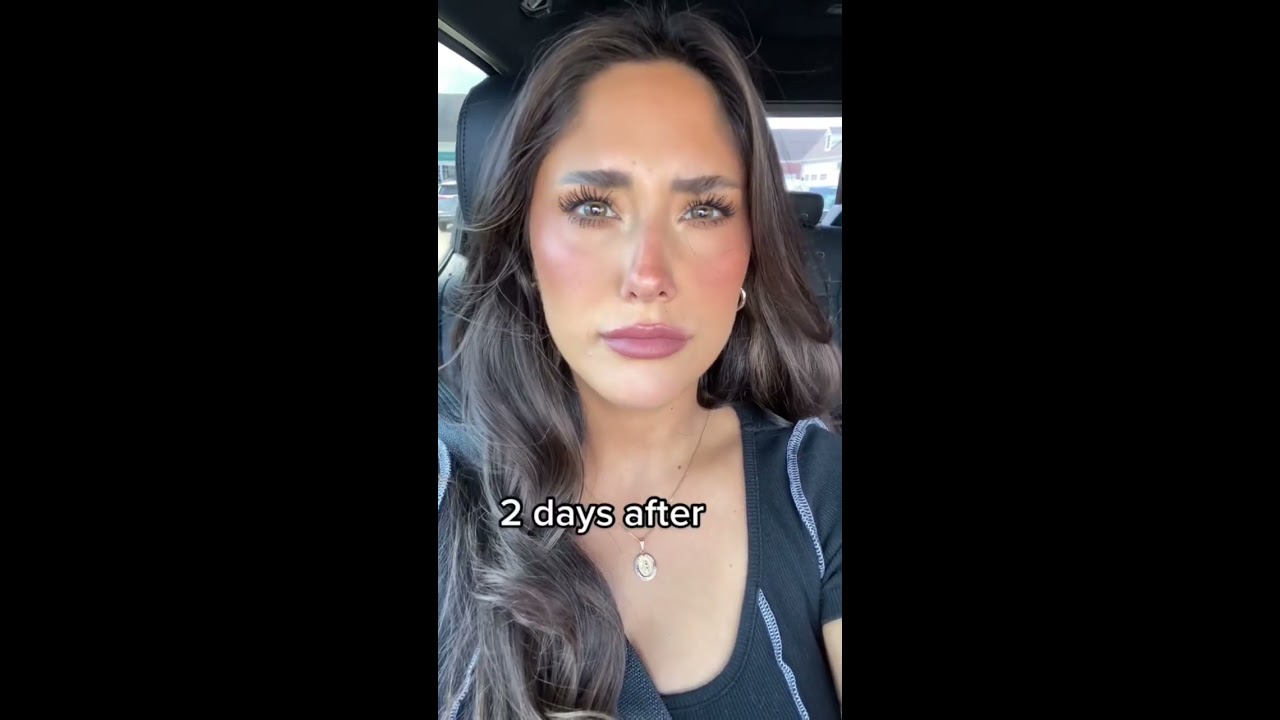
Crafting a personalized plan
No two faces age the same. A 30 year old exploring preventative botox may need a few units across the forehead and glabella every 4 to 6 months to train expression patterns. A 45 year old might pair that with midface filler once a year to restore projection and counteract deepening folds. A 55 year old could need lower face support and neck band treatment, with a more frequent botox maintenance schedule of 3 to 4 months and filler touch ups every 12 to 18 months depending on product and metabolism.
During a botox consultation, I ask about expressions you love and ones you hate. Some patients want a small brow lift effect, which we achieve by relaxing the brow depressors in the glabella and orbicularis oculi while preserving frontalis tone at the tail. Others prioritize keeping forehead movement for animated communication, which changes how I space the units. For filler, I map light, shadow, and contour rather than chase lines. Good planning avoids overcorrection. You should look like you, just rested.
Dosing, sequence, and timing
For combination treatments, I often start with botox, especially in the upper face. The reasons are practical. First, it takes 2 weeks to stabilize, so I want to see where the skin lies once the muscle is calm. Second, botox can sometimes soften etched lines enough that we use less filler, which saves product and leaves a more natural result. For lower face cases where volume loss is the priority, I may start with filler and layer botox in a week or two once the swelling resolves, particularly when precise placement near the mouth is essential.
Unit counts vary. A petite woman with faint forehead lines might need 6 to 10 units, while a tall man with a strong frontalis may require 14 to 20 for a smooth but expressive look. Glabella typically ranges from 12 to 25 units depending on muscle strength. Crow’s feet can run 6 to 12 units per side. Masseter reduction often starts around 20 to 30 units per side in women and 30 to 40 per side in men, adjusted in future botox sessions based on response and goals for facial slimming. These ranges are examples, not rules, and product selection affects conversion for botox vs dysport vs xeomin. Each brand has its own dosing equivalence, but the treatment principles stay the same.
Safety, side effects, and thoughtful risk management
Botox safety is strong when injections are done by an experienced botox specialist or doctor with solid anatomical training. The most common side effects are minor: temporary bruising, tenderness, and a slight headache. Less common risks include eyelid or brow ptosis after glabellar or forehead injections, a temporary smile asymmetry near the mouth, or mild neck weakness after platysma treatment. These typically resolve as the product wears off over weeks. Allergic reactions are rare. Discuss all medications and supplements that might increase bruising.
Fillers carry their own risks: swelling, bruising, lumps, and in rare cases, vascular occlusion. The latter is an emergency requiring prompt recognition and treatment with hyaluronidase for hyaluronic acid fillers. This is one reason I prefer hyaluronic acid products in many aesthetic zones, especially when the anatomy is tight, such as the nose or tear trough. There are times when non HA fillers or biostimulators are appropriate, but the benefits must outweigh the lack of reversal. Choose a botox clinic or center where emergency protocols and products are on hand.
Patients sometimes ask, does botox hurt? The discomfort is minor. Most describe it as tiny pinches and a quick sting. For filler, topical numbing and products containing lidocaine help, and using small cannulas instead of needles when appropriate reduces bruising and keeps the procedure more comfortable.
Cost, pricing, and value
Botox cost varies by region, injector experience, and whether the practice charges by unit or by area. Per unit pricing might range widely, botox treatment Orlando, FL and total botox pricing depends on how many units your plan requires. Clinics may offer botox specials during quieter months, often with loyalty programs. Value should consider not only cost per unit but the injector’s skill in dosing, placement, and long term planning. An expert botox injector can achieve better results with fewer units by understanding the vectors of pull and how to leverage muscle balance. For fillers, pricing depends on product type and number of syringes. It is common to stage treatments to spread cost and allow for refined touch ups.
Men, women, and the shape of a natural result
Facial aesthetics differ by gender and preference. Botox for men should preserve a heavier brow and avoid over-arching. Doses are often higher due to muscle mass, but the design aims to keep a more horizontal brow and open the eyes without feminizing. Masseter treatment in men can reduce grinding and TMJ symptoms while maintaining a squared, strong angle if that is the goal. For women, contour may focus on midface lift and a clean jawline. Botox for women often integrates a subtle brow lift and softening of crow’s feet, with care taken not to flatten cheek expression.
Across all patients, the lower face demands restraint. Botox for smile lines can help, but too much around the mouth affects enunciation and eating. A lip flip, where a few units are placed to evert the upper lip, can enhance shape without adding volume, but it wears off in about 6 to 8 weeks and is best paired with a trace of filler if lasting definition is desired. The chin benefits from calibrating mentalis overactivity, which smooths chin dimpling and improves profile when combined with filler to build projection.
How long results last and how often to return
How long does botox last? Most patients notice a steady fade around 3 to 4 months, with some areas like masseters holding on 4 to 6 months depending on dose and metabolism. Preventative botox in younger patients may stretch longer because baseline movement is lower. How often to get botox depends on your aesthetic goals and how quickly you metabolize it. Some prefer a regular botox maintenance rhythm at 3 months to keep lines at bay, others stretch to 4 or 5 months and accept a little movement before returning.
Fillers vary by product. Cheek and chin fillers designed for structure can last 12 to 18 months, sometimes longer, while softer lip or line fillers may last 6 to 9 months. Your injector should set a reasonable botox timeline, and for filler, a plan for small refinements rather than annual overhauls. Maintenance helps avoid the cycle of depleting and refilling, which can look uneven.
Procedure flow, from appointment to aftercare
A thoughtful botox appointment begins with photographs and animation assessment. I ask patients to frown, lift, squint, and smile. I palpate the masseters, test jaw clench patterns, map neck bands, and check brow resting position. For filler, I evaluate bone structure, soft tissue thickness, and skin quality. We review medical history, including migraine treatments, sweating concerns, or prior botox therapy, because these can affect dosing and expectations.
The botox procedure steps are simple. The skin is cleansed, injection points are marked when necessary, and tiny needles deliver the product into targeted muscles. The botox treatment process is quick, usually 10 to 20 minutes for most areas. Fillers take longer because precision and symmetry matter more, and cannula-based approaches need small entry points and careful tunneling. Neither treatment requires downtime, though I ask patients to avoid exercise, heat, and alcohol the day of treatment, and to keep their head elevated for a few hours after botox to reduce spread risk in certain areas.
Botox recovery is minimal. A few small bumps may appear, resolving within minutes to hours. Mild headache can occur. With fillers, expect a window of swelling and possible bruising for 2 to 5 days depending on area and technique. Botox aftercare is straightforward: no rubbing the injection sites, avoid facials or masks that press on the skin for 24 hours, and delay strenuous workouts until the next day. Filler aftercare includes avoiding pressure on the area, icing intermittently the first day if comfortable, and sleeping with the head elevated the first night.
Scenarios where restraint is best
Not every line demands treatment. Patients with low resting brows and heavy upper lids need conservative forehead botox or they risk droopy eyelids and a tired look. Those with significant skin laxity or heavy jowls may benefit from devices or surgical consults, because fillers alone can add weight and worsen the contour. For smokers or those with deep perioral rhytids, a mix of micro botox, light filler, and resurfacing often beats filler alone. For the under eye, only select candidates do well with filler. If skin is thin and crepey with festoons, volume may accentuate puffiness rather than improve it. An honest botox doctor will guide you away from marginal indications and toward combinations that work.
How to think about alternatives and complements
Botox alternatives exist, such as Dysport and Xeomin, each with differences in spread and onset. Dysport often feels quicker to some patients, while Xeomin’s lack of accessory proteins appeals to those who prefer a simpler formulation. Results are similar when dosing is adjusted correctly. For fillers, the brand matters less than matching properties to the job. Beyond needles, energy devices can tighten skin and improve texture, and skincare can support barrier health. A botox facial or micro botox technique can fine tune pores and oil without changing deeper expression, while a botox glow treatment refers to superficial dosing for skin sheen, best as part of a broader plan.
Setting expectations and reading reviews
Botox results develop gradually, and that is a benefit. You can adjust course. After the first two weeks, a botox touch up may be needed to correct asymmetry or tweak expression. This is normal. When reading botox reviews, look for themes of listening, natural outcomes, and consistency rather than only price. Ask to see cases similar to yours: women after 40 with brow heaviness, men after 50 with forehead lines and masseter hypertrophy, or patients at 30 seeking preventative botox. The best botox results come from aligning expectations with what the tools can realistically achieve.
A realistic view of pros and cons
Botox benefits include reliability, short appointments, reversible effects, and targeted control over expression lines. The cons include maintenance frequency, temporary side effects, and the need for precision. Fillers bring instant volume and shape but require respect for vascular anatomy and a plan for longevity. Together, botox vs fillers is not a debate as much as a choreography: botox for the movement patterns, fillers for the scaffolding. When you integrate both thoughtfully, you need less of each and you age more slowly and gracefully.
A simple two-part checklist to prepare and maintain
- Before your appointment: avoid blood thinners like high dose fish oil, aspirin, or NSAIDs for 5 to 7 days if your physician approves, come with a clean face, plan no heavy workouts that day, bring photos of your best expressions and what bothers you, and set a quiet 20 minute window after for any redness to fade. After treatment: no rubbing or heavy pressure for 24 hours, sleep slightly elevated the first night, skip saunas and hot yoga for a day, resume gentle skincare the next morning, and book your follow up at 2 weeks for assessment and any botox touch up.
Navigating practical questions
Botox near me is a common search, but proximity is not the only criterion. Look for a practice where the injector explains the why behind each point, not just the what. A reputable botox clinic or center should photograph your face in motion, track your dosing over time, and adjust based on outcomes. Ask who injects you, their training, and whether they manage complications themselves. If you have a complex history, choose a botox specialist or a board certified physician injector. If you prefer a botox nurse injector, make sure they have physician oversight and emergency protocols.
Patients who ask how much botox do I need get better answers after an in person evaluation. Muscle strength, face size, metabolism, and goals determine dosing more than age. How often to get botox also depends on whether you like a continuously smooth look or are comfortable with some movement before your next session. For fillers, expect a conversation about product choice, placement strategy, and whether to stage syringes.
The long game: maintenance that respects your face
The goal of a combined approach is not to erase history but to edit it. Modern botox methods favor smaller, well placed doses, preserving expression and creating a rested look. Advanced botox treatment can include tailored brow shaping, a lip flip for balance, or calibrated masseter work that respects jaw strength. With fillers, less is often more. A quarter of a syringe placed properly can do more than a full syringe placed indiscriminately. Over months and years, this restraint keeps your features authentic.
If there is a single truth I share with patients, it is this: good outcomes are cumulative. Each botox appointment and filler session is a note in a longer melody. When you layer them thoughtfully, balance volume and smoothness, and keep an eye on function as well as form, the face not only looks fresher, it moves the way it should. That is the quiet difference people notice but cannot name, the one that lasts beyond any single before and after photo.
📍 Location: Orlando, FL
📞 Phone: +16892839717
🌐 Follow us: