Walk into any med spa and you will see it on the menu: loyalty pricing for Botox, monthly memberships with banked credits, new patient specials, and bundles that promise smoother skin for less. If you get Botox injections two or three times a year, these offers are tempting. Some are genuinely valuable, especially for regulars who plan their Botox maintenance. Others save you a little in the short run but cost more once you look at the math over a year.
I have run pricing models for clinics, worked with dermatologists and nurse injectors on patient retention, and watched what actually works for different types of clients. There is no single answer, but there is a way to decide quickly whether a discount or membership is right for you based on your dosing, frequency, and tolerance for fine print.
What you are really paying for
People often shop Botox like they shop gas. They look for the lowest price per unit and call it a win. That is only one piece. With Botox treatment, you are buying three things at the same time: the neurotoxin itself, the injector’s skill, and the clinic’s standards. Here is how each one affects both results and cost.

Botox cosmetic is billed by the unit. Most reputable clinics in the United States charge somewhere between 12 and 22 dollars per unit. High volume urban practices land in the 14 to 20 range. Flash sales and group deals can dip below 11 per unit, though the lowest prices often come with trade offs in injector experience or clinic policies.
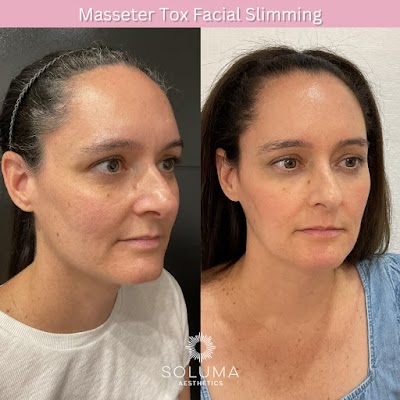
Dosing matters more than people think. A person getting 12 units for early forehead lines will have a very different bill and schedule from someone treating glabellar lines, crow’s feet, and a brow lift. For typical ranges, plan roughly 10 to 20 units for the forehead, 15 to 25 units for frown lines between the brows, and 12 to 24 units for crow’s feet split across both sides. A subtle lip flip can be 4 to 8 units. Masseter slimming can run 20 to 40 units per side. Platysmal neck bands vary widely, often 25 to 50 units in total, sometimes more. Men and people with stronger muscles often need higher doses.
Injector technique changes how far your units go and how long your results last. A top Botox dermatologist, plastic surgeon, or nurse injector with a steady hand and strong facial mapping can get natural results with fewer units in the right places. The reverse also happens. An injector who plays it too safe may underdose, then call you back for a second visit. If that touch up uses more product, your per session cost goes up.
Clinic standards show up in small ways that matter over time. Proper dilution, cold chain handling, and a sterile environment all protect your results. Real onabotulinumtoxinA from Allergan Aesthetics performs consistently. Counterfeit or improperly stored product does not. Cheap Botox is sometimes over-diluted, so 20 units on the chart is not 20 units in the vial. You only discover that when results fade in six weeks instead of three to four months.
When you weigh a discount or membership, keep all three in mind: product, injector, and standards.
Typical schedules and what they mean for your wallet
Most patients come in every three to four months. A small group stretches to five or six months, usually after several cycles when lines have softened and muscles have slightly atrophied. People doing Baby Botox or Micro Botox often prefer more frequent, lower dose sessions to keep movement while blurring fine lines. People treating migraines or TMJ due to bruxism may be on a strict schedule set by symptom control rather than purely cosmetic goals.
A realistic yearly pattern for a cosmetic patient might look like this. You treat the glabella and forehead in January at 30 to 40 units total, repeat in May, then again in September. You touch the crow’s feet once or twice a year at 12 to 24 units per session. That puts your annual total somewhere around 100 to 180 units.
Run the numbers with a per unit price of 15 dollars. At 120 units per year you are at 1,800 dollars. At 180 units you are at 2,700 dollars. If you also do a masseter treatment for jaw slimming at 40 to 60 units twice a year, add 1,200 to 1,800 dollars. These totals are why so many clinics build memberships. They help patients spread costs and give the practice steady revenue.
The kinds of Botox discounts you will see, and how they work
New patient specials are the simplest. A clinic offers 10 to 15 dollars off per unit for the first 40 units, or a flat 100 to 200 dollars off a first Botox session. These attract cost sensitive beginners and people switching providers. They are fine for trying a practice, but they rarely reflect your long term price.
Bundle pricing ties Botox to other services. You will see deals like buy 40 units of Botox and get a discounted syringe of filler, or seasonal events where packages knock 10 percent off if you book a Botox and peel in the same month. Bundles suit people who already planned on multiple services and want one combined visit. They are easy to overbuy if you are new to injectables.
Manufacturer rewards are the most overlooked savings. Allergan’s Alle rewards program gives points on Botox Cosmetic and partner products. Those points convert to savings, typically 20 to 40 dollars off per visit once you build a balance. It is not flashy, but over a year it can offset one touch up. These programs are free, and they stack with a clinic’s pricing. That makes them low risk.
Clinic memberships turn you into a subscriber. You pay a monthly fee, anywhere from 79 to 199 dollars, in exchange for credits that apply to Botox treatment or skincare, and you get a member Botox price. Some memberships bank dollars, others bank units, a few give a flat discount like 10 to 15 percent off. This is where you need to run the math.
Membership math that actually answers the question
Consider three common models that I see.
A banked dollar membership charges 99 dollars per month, gives you 99 dollars in spa credit, and a member Botox price of 12 dollars per unit instead of 16. Over a year, you pay 1,188 dollars and have 1,188 dollars in credit. The effective savings come only from the lower unit price. If you use 150 units in a year, you save 4 dollars per unit times 150 units, which is 600 dollars. You also pay 1,188 dollars into your credit bank, which you then spend on Botox. This works if you plan to use at least that much credit annually. If you fall behind and the credits expire or can only be used on facials you do not want, your savings evaporate.
A banked unit membership charges 149 dollars per month and banks 10 units of Botox. The member price for additional units is 11 dollars. If you use exactly 120 units per year, you have paid 1,788 dollars in fees that cover 120 units, so 14.90 per unit. That is not a great price in most markets. If the membership also guarantees priority scheduling, free follow up tweaks within two weeks, and 15 percent off skincare, it might still be fine for someone who prizes convenience. But if you care only about price, you could do better without a subscription.
A discount only membership charges 20 dollars per month and gives you 4 dollars off per unit, with no banking. If you use 150 units a year, you save 600 dollars and pay 240 dollars in fees, netting 360 dollars in real savings. That is clean and often the best value. The catch is cancellation terms. If the contract requires 90 days notice, you will pay those months even if you move.
To decide quickly, estimate your annual units, multiply by the discount per unit, then subtract the total annual membership fee. If that result is positive and meaningful to you, it is worth a look. If it is close to zero, pass unless the membership includes benefits you will actually use like guaranteed Botox touch up visits or priority Botox appointment windows before holidays.
Where cheap Botox can backfire
The most common problem I see with steep Botox deals is underdosing and short longevity. People buy a 99 dollar brow special and wonder why the results barely show. If the injector is limited to 8 to 10 units for a forehead and 10 to 12 units for frown lines, heavy muscles will overpower the toxin in a few weeks. When you pay to fix it, the original discount disappears.
Technique shortcuts are another cost. Rushed mapping leads to asymmetric brows, spocking, or a flat forehead that drops the brow. Good injectors take time to watch your expressions and place units across the frontalis in a way that respects your brow position. This is the difference between Botox for forehead lines that lifts your brows slightly versus Botox for a brow lift that goes too far and looks surprised.
Clinic safety also matters. Counterfeit product makes headlines every year, especially when clinics advertise prices far below the local norm. Counterfeit Botox will not give you the expected Botox results or Botox longevity. It also adds risk. Ask to see the box and vial. Genuine onabotulinumtoxinA packaging is consistent and traceable. A legitimate clinic will not hesitate to show it.
A quick checklist for vetting a deal
- Ask the Botox cost per unit for members and non members, and whether that includes the Botox consultation, not just the Botox session. Confirm typical Botox units for your areas. A transparent injector will share ranges for frown lines, forehead, and crow’s feet based on your muscle strength. Read the cancellation policy in plain language. Look for notice periods, reactivation fees, and credit expiration rules on banked dollars or banked units. Ask who injects you, how many years they have been injecting, and how they handle Botox touch up visits if you need a small tweak. Enroll in manufacturer rewards like Alle regardless. Free money is the best discount.
Keep this list handy when you compare clinics near you. It avoids surprises that turn Affordable Botox into an expensive habit.
Special cases where memberships shine
Memberships make sense for people who inject regularly and predictably. That includes patients who treat the 11s every three to four months, clients who schedule Baby Botox every three months to maintain micro movement, and those managing medical indications under cosmetic pricing like Botox for migraines or Botox for TMJ in clinics that offer private pay rates. If you are doing Botox for jaw slimming with the masseters two or three times a year, the unit count adds up and a steady discount helps.
They can also work for couples or friends who share the same clinic. Some practices allow household sharing of banked credits. If your spouse wants Botox for crow’s feet while you prefer Preventative Botox for fine forehead lines, one membership can cover both if the policy allows it.
Travelers face a different equation. If your work sends you on the road and you often book Botox near me on short notice in different cities, a local membership with strict cancellation rules is a poor fit. You might do better paying a modestly higher per unit price to a top Botox injector who can see you on a flexible schedule when you are home.

First time Botox clients should be careful with memberships. Your first Botox appointment is partly a test. You and your injector will learn how your muscles respond, how many Botox units you actually need, and how long your results last. After two cycles, you will have reliable data. That is the right time to sign a membership if the math works.
A word on dose, longevity, and what you can control
People hope memberships will stretch Botox longevity. They do not, but consistent care can. A proper initial dose, followed by on time maintenance before full movement returns, helps train down the muscle pull that etches lines. Over a year or two, you may need slightly fewer units for the same effect. That is not guaranteed, but I have seen it across many faces.
Lifestyle and skin quality matter. Heavy sun exposure, smoking, and intense cardio can shorten the perceived life of Botox because you are wrinkling more often or flushing the face frequently. Good skincare, retinoids, and consistent sunscreen use improve the look of lines between sessions. None of this replaces dose, but it reduces the need to chase every tiny line with extra units.
Tell your injector your priorities. If your brow shape is sacred to you, say so, and accept a little movement in favor of a conservative forehead dose. If your 11s bother you the most, let them stack slightly more dose there and ease up on crow’s feet. Thoughtful allocation of units is often a greater savings than a membership.
Comparing brands and how that affects pricing
People sometimes ask if switching brands is a discount strategy. Clinics offer Botox vs Dysport vs Xeomin vs Jeuveau. Each is a neuromodulator with small differences in onset and spread. Most practices set one member price for all, or a small variation. If your clinic runs a special on a competitor, it can be a way to try it at a lower cost. Just remember that units are not perfectly interchangeable across brands. Your injector should adjust dosing to the specific product.
If you are wedded to Botox cosmetic for predictable results, focus on finding the best Botox provider you can afford, then use rewards and smart scheduling to bring the cost down. If you are flexible, you may find more frequent promotions on alternatives, which can help between flagships sales.
Safety and value for non facial areas
The value question gets trickier off the face. Botox for hyperhidrosis in the underarms can require 50 units per side. Botox for neck bands varies widely by anatomy. Masseter dosing for teeth grinding can be 25 to 40 units per side, and the interval can differ from your forehead routine. Memberships that only discount Botox for wrinkles might not apply to these treatments, or the discount may be smaller. Verify whether the member price is universal or area specific.
Medical uses, like Botox for migraines, are often handled by neurologists under insurance. If you are paying cash at a med spa for migraine patterns, a membership discount can help. But it is worth a medical consult to see if you qualify for coverage, as the dosing and patterns differ from a cosmetic plan.
How to spot a clinic that balances price and quality
Good clinics tell you the price per unit without hesitation. They explain their dilution and their aftercare in plain terms. They document your Botox dose, product lot number, and areas treated in your chart, then hand you a card with that summary if you ask. They photograph before and after angles under consistent lighting. They schedule a two week check to assess symmetry, not to sell you more product. They do not push filler when you came for a wrinkle relaxer injection.
They also match your goals to dose. If you want a soft brow lift without a frozen look, they place units along the tail of the brow carefully, then balance the frontalis so your brow line rises gently instead of spocking. If you ask for Botox under eyes, they explain the anatomic limits and suggest a tiny dose only in select cases, or recommend alternative treatments for crepey skin. These small guardrails tell you they value outcomes over upsells.
If a clinic is transparent and conservative in the right ways, a membership there is more likely to be worth it because you will actually use it and like your results.
Real world scenarios and what I would advise
A 28 year old professional with early forehead lines and mild 11s wants Preventative Botox. She tends to use 8 units forehead and 12 glabella every four months, about 60 units per year. A 12 dollar per unit member price sounds nice, but if the membership fee is 99 dollars per month, she will overspend by a wide margin. She is better off paying 16 per unit twice a year, enrolling in Alle for small savings, and reconsidering a membership Soluma Aesthetics botox if her units increase in her 30s.
A 42 year old runner treats frown lines, forehead, and crow’s feet. She uses 18 glabella, 12 forehead, and 12 crow’s feet every three months, 168 units per year. Her clinic offers 4 dollars off per unit for 20 dollars per month. That saves 672 dollars per year against 240 dollars in fees, net 432 dollars. Worth it, assuming she keeps to schedule.
A 36 year old with bruxism does masseter Botox at 30 units per side every five months, and treats the glabella every four months. Annual total roughly 180 to 200 units. He travels often and may miss a month. A banked dollar membership with no expiration is fine. A unit bank that expires after six months is risky. If the clinic’s standard price is 15 per unit and the member price is 13, the savings are around 400 dollars per year before fees. That is reasonable if the credits carry over.
Contract details that change the answer
Look for auto escalation clauses where the monthly fee climbs after six months. Some clinics start low, then nudge prices quarterly. Also check whether Botox credits can be used for other injectables or only for facials. If you plan Botox and filler in the same year, flexible credits are more valuable. Ask how refunds work if the injector postpones you or the clinic cancels. A reliable practice has clear terms that protect both sides.
Finally, understand the touch up policy. Some memberships include a free tweak within 10 to 14 days for tiny asymmetries. That is generous and shows confidence. Others charge a minimum 20 unit purchase to perform any follow up. That can turn a small correction into a big bill. If touch ups are part of your peace of mind, weigh that benefit as part of the membership’s value.
Aftercare and maintenance still matter more than membership
Whether you join a program or not, simple habits protect your results. Skip strenuous workouts and saunas the day of treatment. Avoid rubbing or massaging injection sites for 24 hours. Sleep slightly elevated if your forehead feels heavy. If you bruise easily, a brief pause on blood thinners and certain supplements before treatment may help, but clear changes with your physician. Show up for your two week assessment if offered. A quick look lets your injector spot subtle imbalances before they show in photos.
Document your own Botox before and after with consistent lighting at rest and during expression. Save notes on how long the treatment feels effective. Bring that data to your next Botox consultation. Over a few cycles, you and your injector will agree on a Botox dose plan that suits your face and budget far better than any blanket membership rule.
When a discount is clearly not worth it
If a deal requires you to buy far more units than you typically use, walk away. If a clinic insists on area based pricing rather than unit pricing and refuses to disclose how many units they use, be wary. If the membership locks you into an annual commitment with no pause or transfer option, it only serves the clinic. If the injector cannot articulate why they choose a certain pattern for your brow lift, crow’s feet, or gummy smile correction, save your money for a better provider.
Remember that Botox side effects are uncommon when done correctly, but heavy brows, lid ptosis, and asymmetric smiles do happen. When they do, you want a clinic that takes responsibility and manages you well, not one that hides behind a contract.
The bottom line
Discounts and memberships are tools. They make sense when they match your actual usage, align with a clinic you trust, and do not trap your money in credits you will not use. If you usually get 120 to 200 units of Botox per year for areas like the 11s, forehead, and crow’s feet, a simple per unit discount membership with low monthly fees can deliver real savings. If you only dabble with Baby Botox, or you are testing Botox for the first time, pay as you go, stack free manufacturer rewards, and focus on finding the best Botox provider for your face.
The smartest savings still come from skill. A thoughtful injector who respects your anatomy will get you natural results with the right dose, improve Botox longevity through placement, and keep you on a maintenance rhythm that fits your life. When you get that right, the membership becomes gravy, not the main course.